
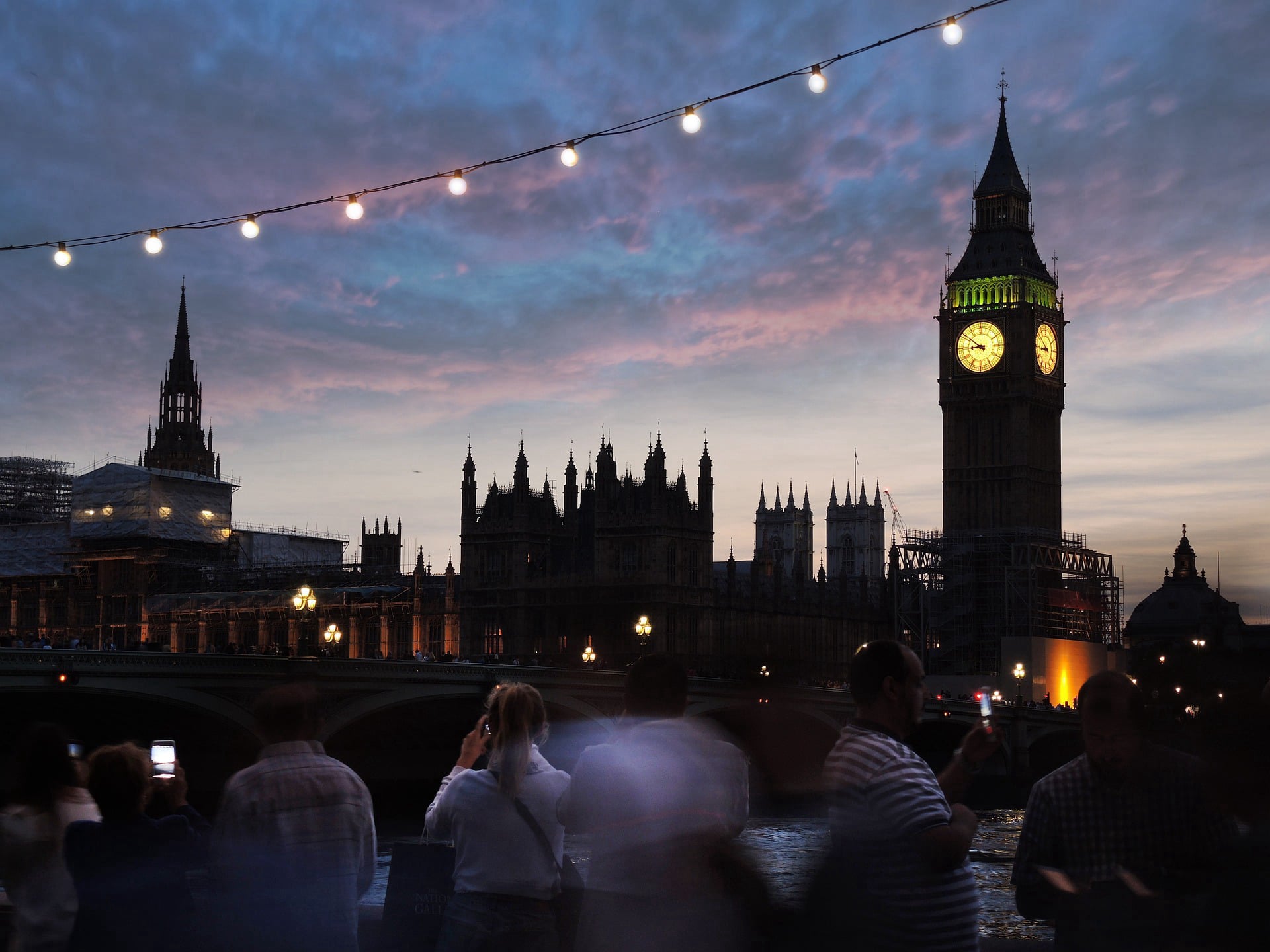
Typical Weather Conditions by Season
London experiences a range of weather conditions throughout the year. In spring, temperatures gradually rise, with average highs around 15°C in April. This season sees a mix of sunny days and occasional rain, making it an ideal time for outdoor outings. Blossom trees add a vibrant touch to the urban landscape during these months.
Summer brings warmer weather, with averages reaching up to 25°C. Rainfall remains infrequent, though brief showers can occur. The city buzzes with life, as longer daylight hours encourage outdoor activities. Autumn ushers in cooler temperatures, often accompanied by stunning foliage. By winter, the days are brisk, with temperatures dipping around 2°C to 8°C, and occasional frosts or snow flurries may make an appearance, bringing a unique charm to London’s streets.
What to Expect in Spring
Spring in London brings a refreshing change after the chill of winter. Average temperatures begin to rise, typically ranging from 8°C to 15°C. April often heralds the blossoming of flowers and the greening of parks, making it a delight for nature enthusiasts. Occasional rain showers are a common feature during this time, but they usually serve to rejuvenate the city rather than dampen spirits.
Visitors and locals alike can expect a mix of sunny days interspersed with overcast skies. Layers of clothing become essential as the weather can fluctuate dramatically, especially from day to night. This variability adds to the charm of the season, inspiring everyone to explore the outdoor attractions. While the days lengthen and the sun shines a touch brighter, a light jacket or umbrella remains a wise companion for any outing.
The Role of Urban Heat in London
London’s landscape is characterised by a blend of historical architecture and modern infrastructure, which contributes to the phenomenon known as urban heat. When sunlight hits the city, surfaces like concrete and asphalt absorb and retain warmth more effectively than rural areas. This results in elevated temperatures, particularly during the warmer months. The dense concentration of buildings and limited vegetation exacerbates the heat retention, creating a microclimate that can feel significantly warmer than surrounding countryside.
In addition to physical structures, human activities play a significant role in intensifying urban heat. The extensive use of energy for transport, heating, and cooling systems releases excess warmth into the atmosphere. Night-time temperatures in the city can remain notably high due to this retained heat, impacting both comfort levels and energy consumption. These conditions pose challenges for residents and local authorities, necessitating adaptive strategies to manage heat and mitigate its effects on health and infrastructure.
Effects of Urbanisation on Temperature
The process of urbanisation significantly alters local climates, creating a distinct environment within metropolitan areas like London. This phenomenon, known as the urban heat island effect, occurs when urban infrastructure absorbs and retains heat more effectively than natural landscapes. Materials such as concrete and asphalt contribute to higher temperatures, particularly during the day, while the lack of greenery means less natural cooling from shading and evaporation.
As a result, London’s average temperatures can be several degrees higher than those of surrounding rural areas. This warming effect not only influences daily weather patterns but also impacts long-term climate trends. The increase in temperature can exacerbate heatwaves, leading to increased energy consumption and heightened health risks for vulnerable populations.
Preparing for Weather Extremes
Londoners often encounter unexpected fluctuations in weather, ranging from sudden torrential rain to unseasonably warm spells. It is essential to be equipped for these unpredictable conditions. Investing in a reliable waterproof jacket and a sturdy umbrella can make all the difference on a day when the skies open. Layers of clothing are also advisable, as they allow for adjustments based on shifting temperatures throughout the day.
Furthermore, keeping an eye on weather forecasts is crucial. Many mobile applications provide real-time updates, helping residents prepare for any extremes. During heatwaves, staying hydrated is vital, along with seeking shade or air-conditioned spaces when necessary. Similarly, during winter storms, having an emergency kit with essentials like blankets and food can ensure safety and comfort should severe weather disrupt usual routines.
Dealing with Unpredictable Weather
London’s weather can change drastically within a single day, catching even the most seasoned residents off guard. Carrying an umbrella is often a wise precaution, especially during the spring months when rain showers can appear unexpectedly. Light layers are also beneficial, as temperatures can fluctuate from cool to warm as the day progresses. Staying updated with weather forecasts can help in planning outings but be prepared for the occasional surprise.
Experiencing both heatwaves and cold snaps in rapid succession is not uncommon in the city. Those accustomed to milder climates may find these changes challenging to navigate. Investing in versatile clothing and packing for varying conditions can make any excursion more enjoyable. Weather apps with real-time updates are useful tools to keep handy, empowering individuals to adapt their plans at a moment’s notice.