
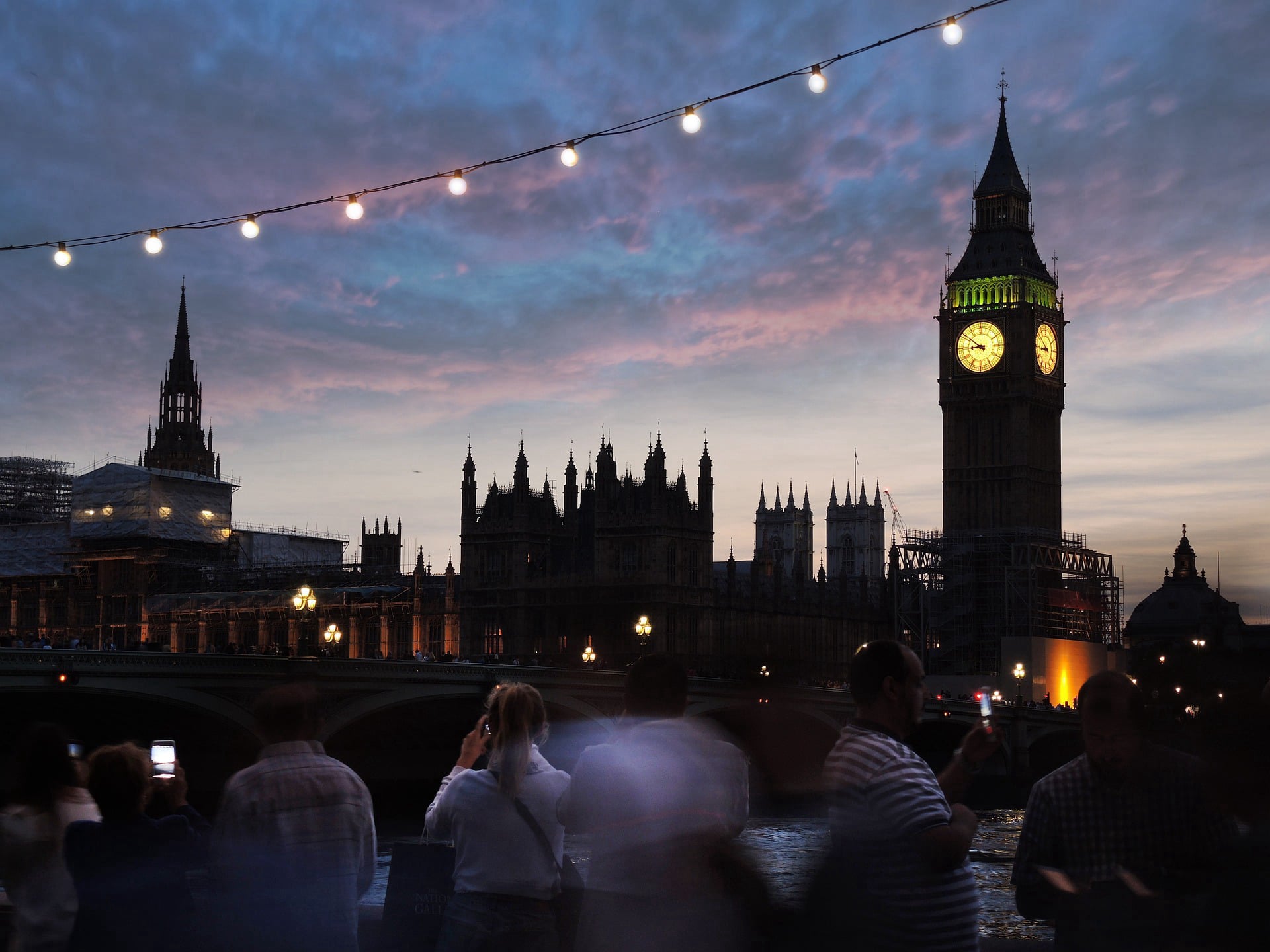
Iconic Bridges Across the Thames
The River Thames serves as a vital artery for London, connecting various boroughs and acting as a canvas for some of the city’s most iconic bridges. Each structure tells a story of engineering prowess, historical significance, and aesthetic ambition. Not only do these bridges facilitate the movement of people and vehicles, but they also provide stunning views of London’s skyline. Famous examples like the elegant arches of Westminster Bridge, and the striking design of the Millennium Bridge showcase the diverse architectural styles that have evolved over centuries.
As you traverse the Thames, the blend of historical and modern bridges creates a unique visual narrative. Tower Bridge stands out with its Victorian Gothic architecture, while the sleek lines of the recent footbridge illustrate contemporary design at its best. Each crossing offers a new perspective of the city, affirming the importance of these structures not merely as transportation links, but as integral components of London’s identity. The interplay of form and function in these iconic bridges enhances the urban landscape, inviting both residents and visitors alike to appreciate the beauty of the capital.
The History of Tower Bridge
Tower Bridge stands as an emblematic symbol of London, completed in 1894 after an extensive construction period that began in 1886. The project arose from the need to accommodate increased river traffic while providing a thoroughfare for pedestrians and vehicles. Influenced by the design of medieval Gothic architecture, the bridge incorporates two towering verticals that elegantly frame its central bascule mechanism. The distinctive blue and white colour scheme adds to its charm, ensuring that it is recognised by both locals and tourists alike.
The engineering feat required significant innovation, particularly in the use of hydraulic power for its lifting mechanisms. At the time, it represented a remarkable achievement in engineering, demonstrating the capabilities of Victorian design. Tower Bridge moved beyond mere functionality, becoming a beloved attraction that draws millions each year. Its historical significance contributes to London’s rich architectural tapestry, offering a glimpse into the vision and ambition of the era.
The Role of Public Spaces
London’s vibrant public spaces serve as the lungs of the city, offering both residents and visitors a much-needed respite from the bustling urban environment. Parks, plazas, and squares create opportunities for social interaction, relaxation, and recreation. Places like Trafalgar Square and the Southbank Centre not only enhance the aesthetic appeal of the capital but also function as venues for events, performances, and cultural gatherings, contributing to the city’s rich tapestry of communal life.
The design and accessibility of these areas play a vital role in urban planning, impacting how people experience the city. Thoughtfully designed parks invite leisurely strolls and provide safe playgrounds for children. They encourage exercise and promote mental well-being, while also serving as habitats for urban biodiversity. The integration of green spaces within the cityscape highlights the importance of nature in promoting sustainable living and enriching the quality of urban life.
Parks and Squares in Urban Design
Green spaces serve as vital components of urban living, providing a necessary respite from the bustling city environment. Parks and squares in London promote community interaction, offering a communal area for relaxation and socialisation. These spaces also contribute to the enhancement of biodiversity, hosting various species of flora and fauna. With tree-lined pathways, flowerbeds, and open lawns, they invite residents and tourists alike to enjoy the outdoors.
Incorporating parks and squares into urban design is essential for promoting mental well-being and encouraging physical activity. Well-planned public spaces become social hubs, fostering cultural events and community gatherings that enrich city life. The presence of these green areas not only beautifies the urban landscape but also helps to mitigate pollution and improve air quality. Their design and maintenance play a crucial role in creating a sustainable city that remains livable for future generations.
Sustainability in Contemporary Architecture
The push for sustainability in architecture has gained significant momentum in London over the past few years. Many architects are embracing innovative designs that prioritise energy efficiency and sustainable materials. Projects like the Shard and the Queen Elizabeth Olympic Park showcase a commitment to integrating environmentally friendly practices. Building regulations now emphasise green roofs, solar panels, and rainwater harvesting systems, paving the way for a more sustainable urban environment.
Developments are increasingly reflecting a balance between functionality and ecological responsibility. Architectural firms are collaborating with environmental experts to ensure their designs not only meet aesthetic and practical needs but also adhere to ecological standards. Concepts such as biophilic design, which seeks to connect occupants more closely with nature, are becoming commonplace. This holistic approach enables London to contribute positively towards combating climate change while enhancing the livability of urban spaces.
Eco-Friendly Developments in London
London’s skyline is increasingly punctuated by buildings that not only impress with their design but also adhere to sustainable principles. Innovations in green technology have led to the integration of energy-efficient systems within new developments. From solar panels to rainwater harvesting, architects and developers are embracing methods that reduce environmental impact. Additionally, the use of recycled materials is becoming standard practice, reflecting a commitment to sustainability that resonates throughout the city.
Several notable projects exemplify London’s eco-friendly evolution. The Bloomberg Building stands out with its state-of-the-art temperature regulation system and green roofing. Similarly, The Shard incorporates a series of energy-saving features that have earned it accolades for sustainability. These initiatives demonstrate a larger trend within the urban landscape, where a growing awareness of climate change and environmental responsibility is reshaping the fabric of the city.